
Courses, links and an honest look at telekinesis
Did you ever dream about having telekinetic super powers? Or are you interested in learning more about this ability? You are in the right place. In here you find courses and links to train telekinesis.
— THE Librarian
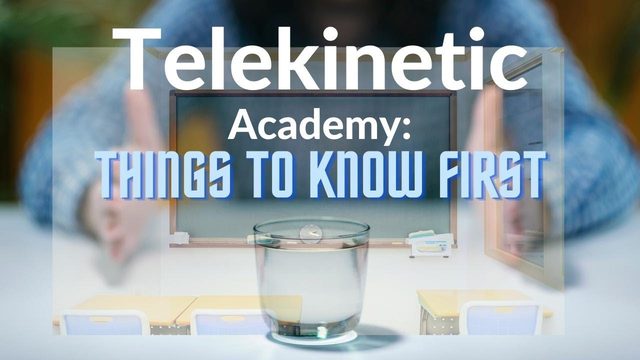 ▶ Free course on YouTube
 Join the Telekinesis forum
At a glance
Figures checked 7 October 2026 and listed with sources at the bottom of this page. They change over time.
Watch: the 6-minute explainer
We turned our research into a short animated video. It walks through what people claim about telekinesis and who is selling it, and it does not endorse any of those claims. The chapters are: origins, qigong fever, Mo Pai, the online teachers market, what goes viral, and the evidence and skepticism.
Nothing from YouTube loads until you press play. Narration is a synthetic voice; example clips are shown briefly for commentary and criticism with credit.
What is telekinesis?
Telekinesis (also called psychokinesis, or PK) is the claimed ability to move or influence objects with the mind. The word was coined around 1890 by the Russian researcher Alexander Aksakov, and “psychokinesis” followed in 1914. Today you meet it in three places: energy and chi training (qigong-style teaching, as in Sifu Amin Jani’s course), online communities, and parapsychology research.
Start here
Telekinetic Academy Course Free
A free 15-video YouTube playlist by Sifu Amin Jani. It covers brainwaves, the “alpha state” and “charging up your energy”, and starts with “Things To Know Before You Begin”.
- About 26K views in total across the 15 videos
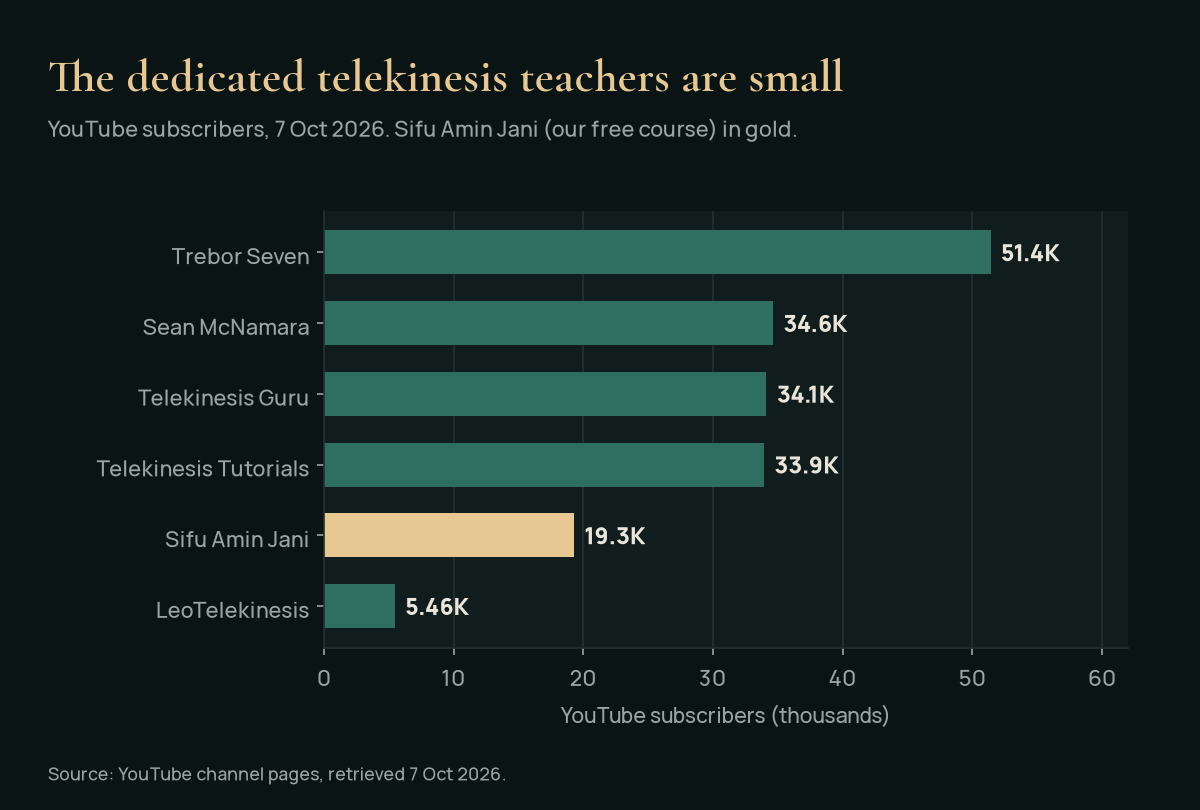
- His channel has 19.3K subscribers and 788 videos
▶ Watch the full course His YouTube channel



Claims to prove it
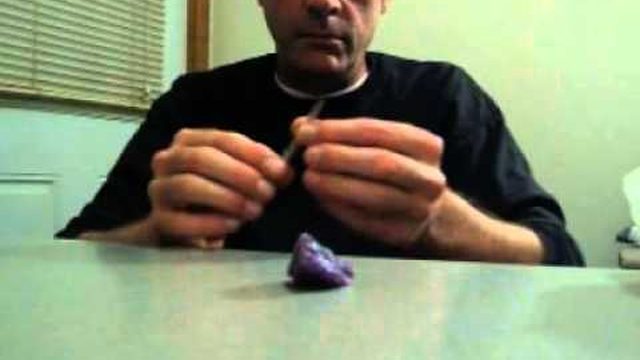
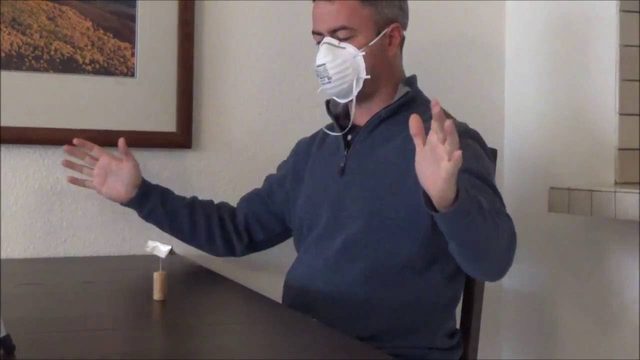
These clips are presented by the people in them as demonstrations of real telekinesis, or as lessons that teach it. They are among the most-viewed such videos we found on YouTube. They are claims: nobody has verified them under controlled conditions, and we cannot verify them either. View counts are from 10 October 2026.
More from the original post
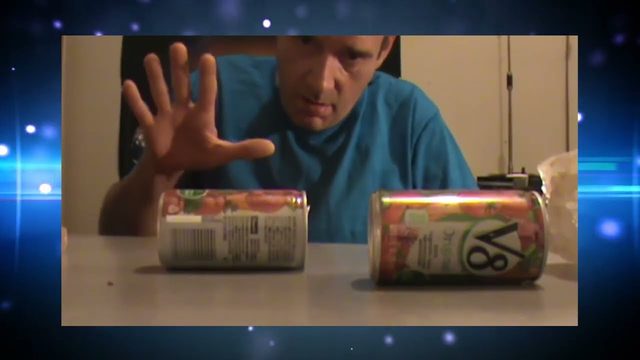
Ranking: YouTube search and channel pages, 10 October 2026. There may be more popular clips we did not find. Video thumbnails belong to their channels and are shown as small link previews.
Schools & teachers
A quick map of the main options online. The big dedicated teachers have between 19K and 51K YouTube subscribers, and paid courses are cheap. Prices come from each provider’s own page on 7 October 2026. We list them, we do not endorse their claims.
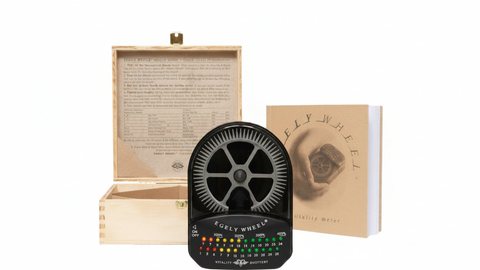
Row images are each site’s own preview image, logo or channel picture (Udemy: our own tile). “Free” marks that the main teaching is free. Some of these teachers also sell paid extras. Trebor Seven runs a supplements shop, and Sean McNamara promotes the $469 Egely Wheel. Mo Pai is a closed lineage, and whether its feats are real has never been independently verified.
Pranks and illusions reach tens of millions of views. Teaching and “proof” clips top out at one to three million, and most training content stays in the thousands to hundreds of thousands. The clips below are staged or performed illusions, or they expose them. Videos that ask “is it real?” work for both believers and sceptics.
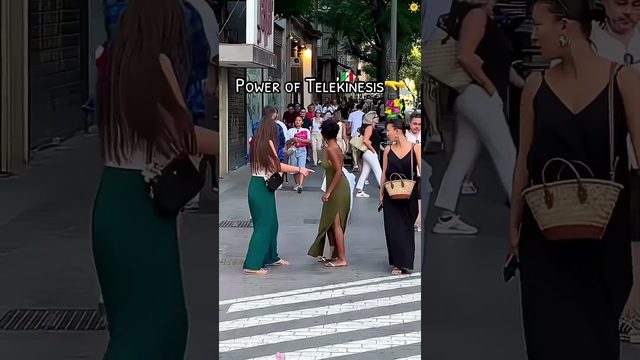
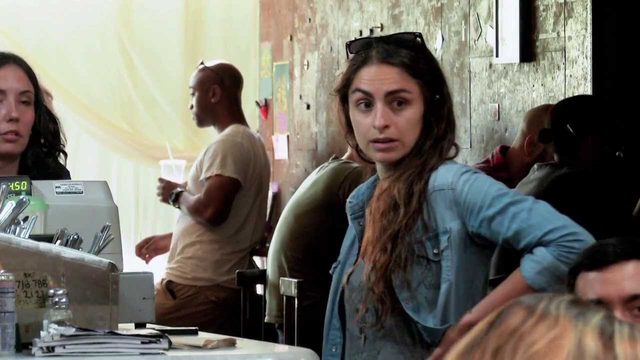
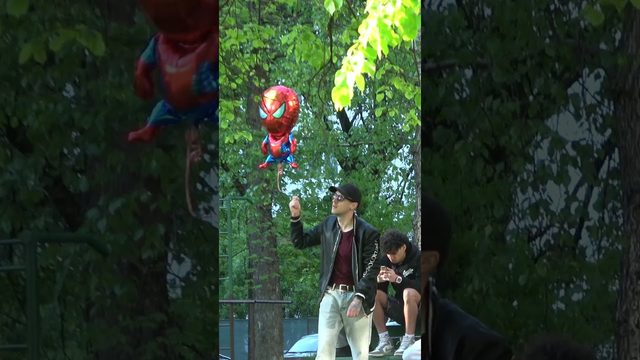

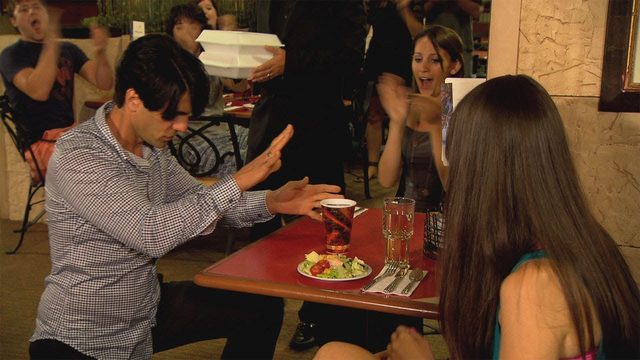

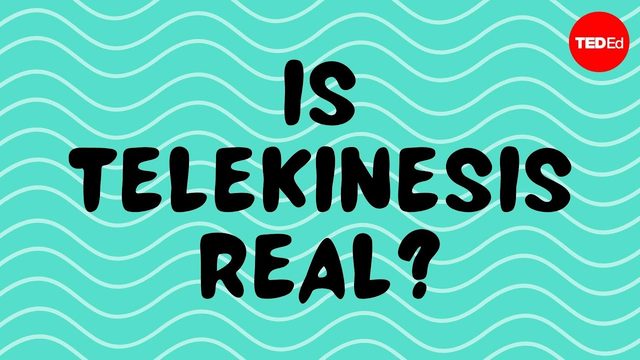
By comparison, the free Telekinetic Academy course has about 26K views across its 15 videos. View counts from YouTube, 10 Oct 2026. Thumbnails belong to their channels.
Who is searching for it?
The plain search term is dominated by pop culture: the Travis Scott song “Telekinesis”, Skyrim and D&D 5e. The queries that show real curiosity are “is telekinesis real”, “how to do telekinesis”, “telekinesis for beginners” and “how to do telekinesis prank”.
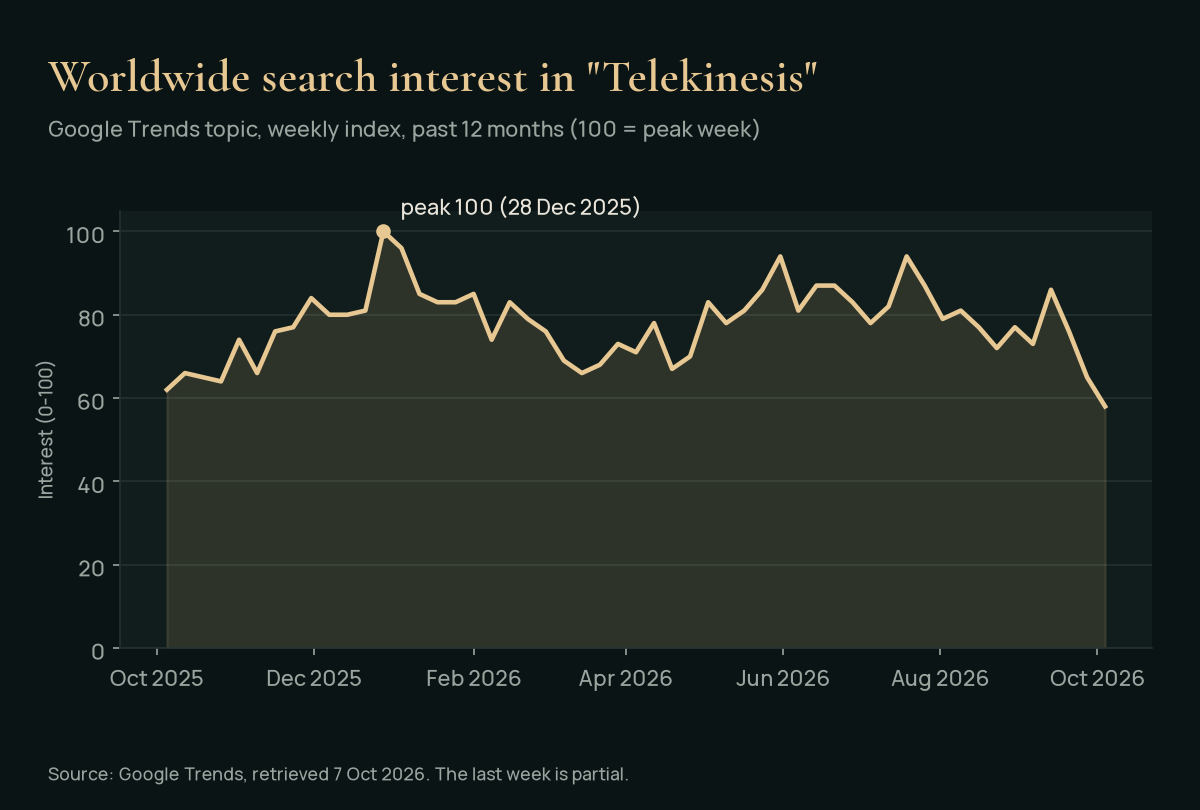
Source: Google Trends, retrieved 7 Oct 2026.
Telekinesis in Belgium
We found no Belgian telekinesis teacher, course or club. Three organisations study or test paranormal claims, and we run the only group that targets the topic.
How to prove it to science
Say you can turn a paper wheel with your mind. To you that is real. To a scientist, a story, a clip or a strong feeling is only a starting point. Videos can be edited, objects get nudged by air, heat or static electricity, and honest people fool themselves too. Science does not ask anyone to be believed. It asks for a result that someone who doubts you can check.
This is not a hypothetical worry. In Project Alpha (1979–1981) a US lab reported telekinesis from two teenagers. They turned out to be amateur conjurors, secretly working with the magician James Randi. The researchers had not known how easily a trick can pass for a power (source: Wikipedia). That is why a proper test invites the people most likely to find the trick.
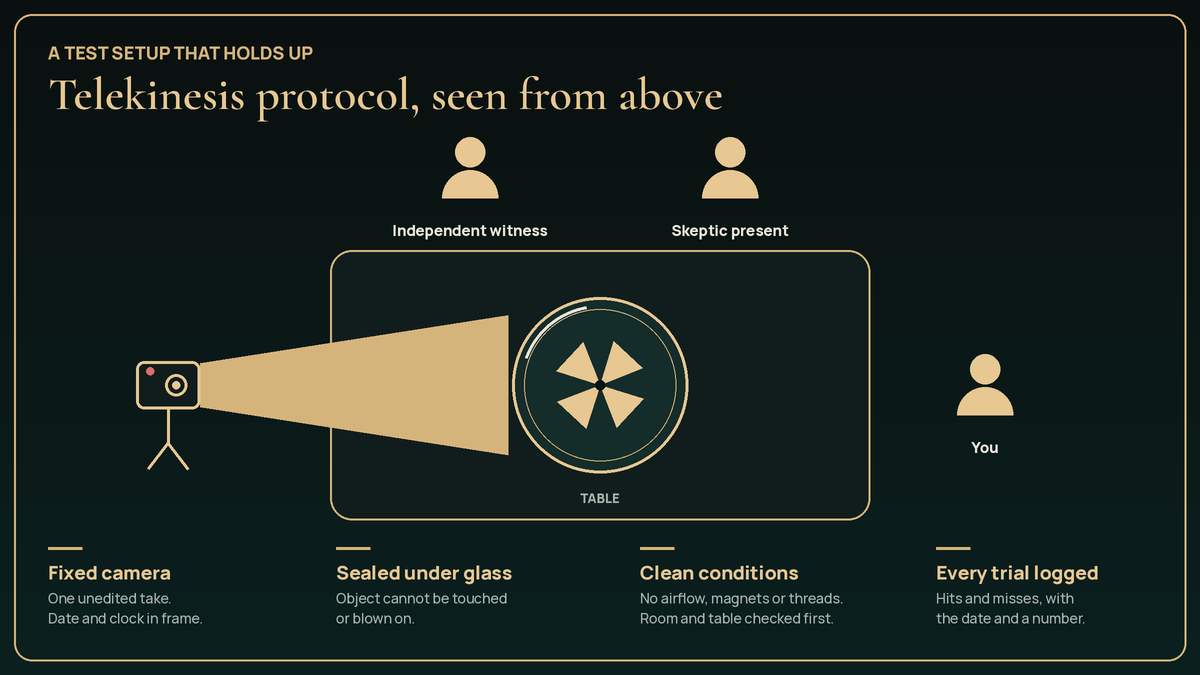
Diagram: our own illustration of a basic test setup. The pinwheel under glass is an example object. Tap the image to enlarge it.
Record yourself, under conditions that rule out tricks
- One continuous, unedited take. No cuts, no slow motion, no filters. Keep the date and a clock in frame.
- Fixed camera on a tripod. Show the whole table, the object, your hands and your face at all times.
- Object sealed under glass (a jar or dome) so nobody can touch it or blow on it. Put it on a stable table.
- No airflow, no magnets, no threads. Windows closed, fans and air-conditioning off, no metal or magnets nearby. Let the skeptic check the room and the object first.
- Independent witnesses who are not friends of the claim, and a skeptic present. A magician is ideal: they know the tricks.
A clip is useful for your own practice and for showing a body what you plan to do. It is not proof by itself: CFIIG states that videos, photos and eyewitness reports do not count, and SKEPP only accepts tests run under its own protocol with its own witnesses.
Repeat it many times and log every trial
- One success proves nothing. Chance, luck and wishful thinking all produce the occasional hit. You need a run of trials.
- Log every attempt, including the failures: trial number, date and time, what you tried, the result, any notes. Never delete a “bad” trial or call it a warm-up afterwards.
- Can you do it on demand? CFIIG says that if an ability is intermittent or you cannot predict when it will be there, you probably cannot be tested. A claim like “it works about half the time” is fine, as long as the log shows it.
- Let a random method choose the targets (a coin or dice rolled by someone else, or a random number), so that you cannot steer the result without knowing it.
Pre-register the test: agree the rules and the odds in advance
Pre-registering means writing down, before you start, exactly what you will do and what counts as success. Then nobody (including you) can move the goalposts after seeing the result. Write down:
- the claim in one sentence, for example “I can turn this paper wheel clockwise on request, under the glass dome”
- what counts as a hit and what counts as a miss
- the number of trials (fixed in advance: no stopping when you happen to be ahead)
- the chance level (how often a hit happens by luck) and the hit rate you need to beat it
- what you will conclude if you fail
Chance in plain words. Imagine a coin toss decides, for each trial, whether you try to turn the wheel clockwise or anticlockwise, and a blind judge reads the video. Pure luck gives you 50% hits. So 5 of 10 means nothing, and even 12 of 20 (60%) happens by luck about one time in four. The question is how often luck alone would give your score:
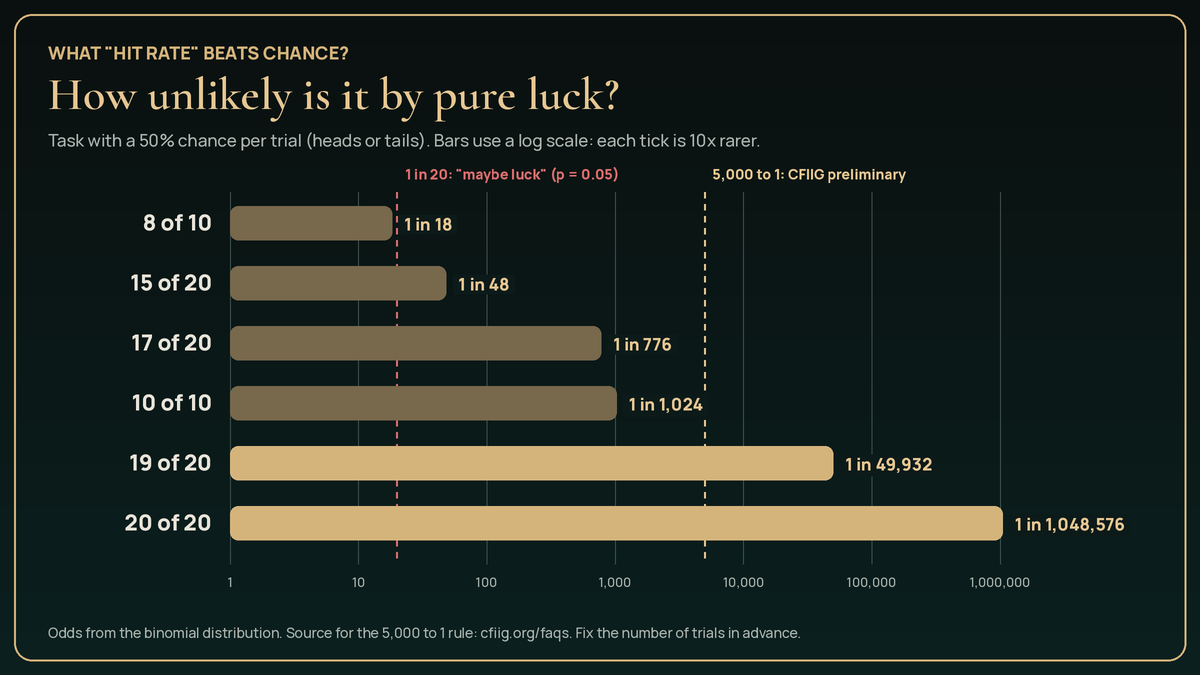
Chart: our own calculation (binomial odds, one-sided). Tap to enlarge. The odds look different if the task has a different chance level, for example 1 in 5; the testing body will work this out with you.
Contact the right bodies, and do their test
Send a short, factual first message. Describe the exact claim and how often it worked in your log, say what you would accept as a fail, and ask what they need from you. Expect questions. Here is what each body below does, based on its own pages as of 10 October 2026.
We also checked the Institute of Noetic Sciences (noetic.org): an active research centre, but we found no public way to submit an individual claim, so it is not listed as a place to apply. We did not find a Dutch or Belgian university unit that tests telekinesis claims. Details change, so check each site before you write.
Your test kit
- ☐A clear claim in one sentence, with a number: what, how far, how fast
- ☐An object sealed under glass (jar or dome) on a stable table
- ☐Room checked: windows closed, fans and air-conditioning off, no magnets, metal or threads
- ☐Fixed camera on a tripod, one unedited take, date and clock in frame
- ☐Two independent witnesses and one skeptic (ideally a magician)
- ☐A trial log (spreadsheet or paper): number, time, target, result, notes. Failures included
- ☐A random way to pick targets: coin or dice, rolled by someone else
- ☐Number of trials and the hit rate to beat written down and signed before you start
- ☐A short summary for your first email: the claim, your hit rate so far, the conditions
Watch: how science tests it
View counts from YouTube, 10 Oct 2026. Thumbnails belong to their channels.
Try it yourself
The most credible way to explore telekinesis is as an experiment. Two ideas for our community:
Bonus: pair a short qigong or tai chi warm-up with your attempt. The value is in the experience and the community, not in a promise.
Discuss Telekinesis in the forum
Share your progress, ask questions and practise together with other students on the Telekinesis board.
Join the Telekinesis forum Create a free account
 Meet us on Meetup
Sources
- Telekinetic Academy Course (YouTube playlist)
- Sifu Amin Jani on YouTube
 Energy Cultivation on Skool (about)
- Sifu Amin Jani: “A New Phase of Energy Cultivation” (Skool)
 Mind Possible: telekinesis course
- Mind Possible: all courses and prices
 Telekinesis School (Trebor Seven)
 TreborSeven.com (private school)
 Telekinesis Tutorials (YouTube)
 Telekinesis Guru (YouTube)
 Udemy: What is Telekinesis and How to do Telekinesis?
 Ubiquity University: Telekinesis with Alex Stefan
 Psytheos: Formation Télékinésie
 Mo Pai Nei Kung
 Kinexys app (Google Play)
 Egely Wheel shop
 Psi wheel (Wikipedia)
 Telekinesis / psychokinesis (Wikipedia)
 Psi Encyclopedia: Alexander Aksakov
 Encyclopedia.com: Psychokinesis
 ParaPsychon
 CERPI
 SKEPP Sisyphus Prize rules 2025 (PDF)
- SKEPP: contact
 CFIIG Paranormal Challenge
- CFIIG FAQs (odds and rules)
 Koestler Parapsychology Unit: research
- Koestler Parapsychology Unit: study registry
 Society for Psychical Research
- Psi Encyclopedia: Psychokinesis research
 Parapsychological Association
 JREF status notice, 1 Sept 2015
 One Million Dollar Paranormal Challenge (Wikipedia)
 OSF Registries (pre-registration)
 Walter von Lucadou, TEDxFSUJena (YouTube)
 Million Dollar Challenge 2014 (YouTube)
- THE Golden Library Research Group (Meetup)
Image credits: video thumbnails are from YouTube (img.youtube.com) and belong to their channels. Link previews are each site’s own public preview image, logo or channel picture (Skool, Mind Possible, Ubiquity University, Psytheos, Egely Wheel, Meetup, Google Play, YouTube channels, ParaPsychon, CERPI, Mo Pai Nei Kung, Trebor Seven and Telekinesis School), shown small and only to link to the page. The tiles for Udemy, SKEPP, the Koestler Unit, the SPR, the Parapsychological Association, CFIIG, the Randi challenge, OSF, Wikipedia, Encyclopedia.com, the Psi Encyclopedia and THE Golden Library are our own, as are the two diagrams in the “How to prove it to science” section.
Also used: Google Trends (topic “Telekinesis”, Belgium and worldwide, retrieved 7 Oct 2026) and YouTube search results and channel pages (7 and 10 Oct 2026). Based on the THE Golden Library skills report and its Telekinesis schools & origins report. This page describes claims and does not endorse them.
Want to buy or sell bitcoin? Try bitcoin.de (referral link: we may earn a commission if you sign up).
Related Posts
Dating and Self-Improvement
Skill guide · Dating & social confidenceDating and self-improvement: my…
