- Read the 'What witchcraft is' and 'A short history' sections, including the difference between accusation and practice.
- Read the safety and ethics sections before trying any herb, oil or candle work.
- Try the simple kitchen practice on this page once, using only ordinary culinary herbs you already eat, and write down the date and your intention.
- Read one item from Further reading (a history book or a linked source) and note what you learned.
Witchcraft and kitchen witchcraft: history, the hearth, and how to start safely
A respectful guide to what witchcraft has meant in history, what kitchen witchcraft and related paths are today, a simple beginner practice you can do with ordinary food herbs, and the safety and ethics to read first. Every number is checked and linked. This is not medical, legal or magical-results advice.
At a glance
What witchcraft is — and is not
The English word witchcraft has been used in more than one way, and mixing those meanings is how a lot of confusion starts.
As an accusation. In late medieval and early modern Europe, and in the American colonies, “witchcraft” was often a criminal charge. Courts and neighbours accused people — most often, though not only, women — of harming others by magic, sometimes said to involve a pact with the Devil. Those trials are a matter of historical record. The people killed in them were not shown to be members of a surviving pagan religion. Historians who have worked through the trial evidence, including Ronald Hutton, have been clear about this (Gresham College lecture, 2025; see also Diane Purkiss for English Heritage).
As folk magic. Alongside the trials, many communities had unofficial specialists — in England often called cunning folk — who were asked for charms, healing, finding lost goods or protection against supposed witchcraft. The historian Owen Davies has documented this popular magic in Popular Magic: Cunning-folk in English History (2003). It was not the same thing as the diabolic sect imagined by witch-hunters, and it was not a single organised religion.
As a modern spiritual path. Since the mid-twentieth century, a growing number of people have taken the word witch for themselves. The best-known organised form is Wicca, a modern pagan witchcraft religion that became public in Britain after 1951. Many other people practise witchcraft without being Wiccan: solitary, eclectic, or in looser traditions such as kitchen, green or hedge witchcraft. Hutton has described Wicca as a viable new religion especially well suited to late modern life, not the planet’s most ancient faith in disguise (Gresham College).
Wicca is one kind of witchcraft, not the whole
All Wiccans are practitioners of a form of modern pagan witchcraft, but not all witches are Wiccan. Wicca is usually initiated or self-dedicated, often honours a goddess and a god, and may use covens, seasonal festivals and a circle of working. Other witches may have no coven, no Wiccan liturgy, and no wish to be described as pagan or religious at all. The overview of Wicca is a starting point, not a rulebook for everyone who uses the word witch.
Related skills already in this library include tarot and sigil magic. Some witches use those tools; many people who use them are not witches. This page does not treat them as required.
A short history
Folk belief, print and the trials
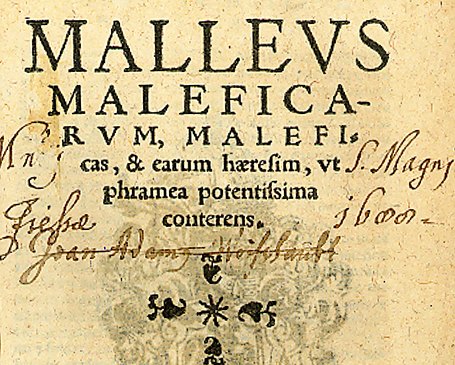
Belief in harmful magic is much older than the early modern witch-hunts. What changed in Europe, especially from the fifteenth to the seventeenth centuries, was the combination of theology, law, print and local fear. The Malleus Maleficarum, first printed in 1486 or 1487, became a widely circulated handbook on how witches were thought to work and how they should be prosecuted. Printing helped such ideas travel. They were never applied evenly: some regions saw intense hunts, others almost none.
How many people were executed? Early rhetorical figures — including the still-repeated claim of nine million deaths — are not supported by the trial records. English Heritage, summarising Diane Purkiss, places the total for the main era of persecutions at about 30,000 to 60,000, from Alpine hunts in the 1420s and 1430s to the execution of Anna Göldi in the Swiss canton of Glarus in 1782. Brian P. Levack, in the third edition of The Witch-Hunt in Early Modern Europe (2006), revised his estimate down to around 45,000 executions from an earlier figure of 60,000, and about 90,000 prosecutions. Other careful scholars fall in a similar band. That is already a terrible number. Inflating it does not make the injustice clearer.
Methods of execution also varied. In England, witchcraft was a felony: the condemned were hanged, not burned. UK Parliament notes that some 500 people in England are believed to have been executed for witchcraft, that formal accusations peaked in the late sixteenth century, that the last known English execution was in Devon in 1685, and that the last trials were in Leicester in 1717. Scotland, the German lands and the Southern Netherlands often used fire, sometimes after strangling. The hunts were not the work of one church alone: Catholic and Protestant authorities both prosecuted witches, in different places and degrees (English Heritage).
Salem, 1692–1693
The Salem trials are the best-known episode in North America, not the whole of the European hunts. They began in Salem Village (now Danvers, Massachusetts) and spread through neighbouring towns. According to the Salem Witch Trials Documentary Archive at the University of Virginia, at least twenty-five people died: nineteen were hanged, one man, Giles Corey, was pressed to death for refusing to enter a plea, and at least five died in jail. Over 160 people were accused. In October 1692 the special court was ended; remaining cases were handled in a way that cleared the jails. After Salem, no one was convicted of witchcraft in New England. The National Endowment for the Humanities and the Massachusetts Archives publish records and overviews of the same events.
The myth of a surviving pagan witch-cult
In the nineteenth and early twentieth centuries, some writers claimed that the people executed as witches had been followers of an old pagan religion. Margaret Murray’s The Witch-Cult in Western Europe (1921) gave that idea academic currency for a time. Systematic study of the trials from the 1970s onward did not support it. Purkiss is blunt: there is no historical trace of goddess-worshipping herbalist midwives as the secret target of the hunts, and midwives were rarely the accused. The “Burning Times” as a story of nine million pagan martyrs is a modern myth, as Jenny Gibbons and others have explained for a pagan readership (archived essay). Remembering the real dead does not require that story.
From the 1951 repeal to modern Wicca
In Great Britain, a 1736 Act (the statute known as the Witchcraft Act 1735) had already ended executions for witchcraft and instead punished people who claimed magical powers. That Act was repealed in 1951 by the Fraudulent Mediums Act 1951, which was itself later replaced by consumer-protection law. The change mattered for people who wanted to speak publicly about spiritualist or occult practice.
In 1951 the retired civil servant Gerald Gardner began to present a pagan witch religion to the public. He said he had been initiated in 1939 into a New Forest coven that had kept older traditions. In 1954 he published Witchcraft Today. In his 14 May 2025 Gresham College lecture, Ronald Hutton — the leading historian of modern pagan witchcraft and author of The Triumph of the Moon — notes that no confirmation has yet been found of the coven Gardner claimed to have joined, and that Gardner is still the sole known source of that claim. It seems most likely, Hutton says, that Gardner and his friends developed the religion, which then continued to be shaped through the 1950s, including by the priestess and writer Doreen Valiente. Its early rites drew on ceremonial magic, folklore and other existing sources, and also had features of its own: a goddess and a god, small covens often led by a priestess, and a practice that treated the divine as partners in the circle rather than distant beings only to be worshipped.
What had been offered as a very ancient survival turned out, in Hutton’s phrase, to be a successful new religion, well suited to later currents of feminism, environmental feeling and personal spiritual experiment. That is not a slight. It is a historically honest way to honour a living path.
Accusations have not vanished everywhere
In much of Europe and North America, identifying as a witch or pagan today is a chosen spiritual or cultural stance, protected in principle by freedom of religion and expression. That is not the world situation as a whole. A 2023 study for the UN Human Rights Council (A/HRC/52/47) documents serious human-rights abuses rooted in accusations of witchcraft and in ritual attacks: violence, banishment, torture and killings, often aimed at women, children, older people and people with disabilities. Those accusations are not the same thing as modern pagan witchcraft. They do show why this page treats the word witch with care, and why sensational “hex your enemies” talk is not harmless colour.
What kitchen witchcraft is
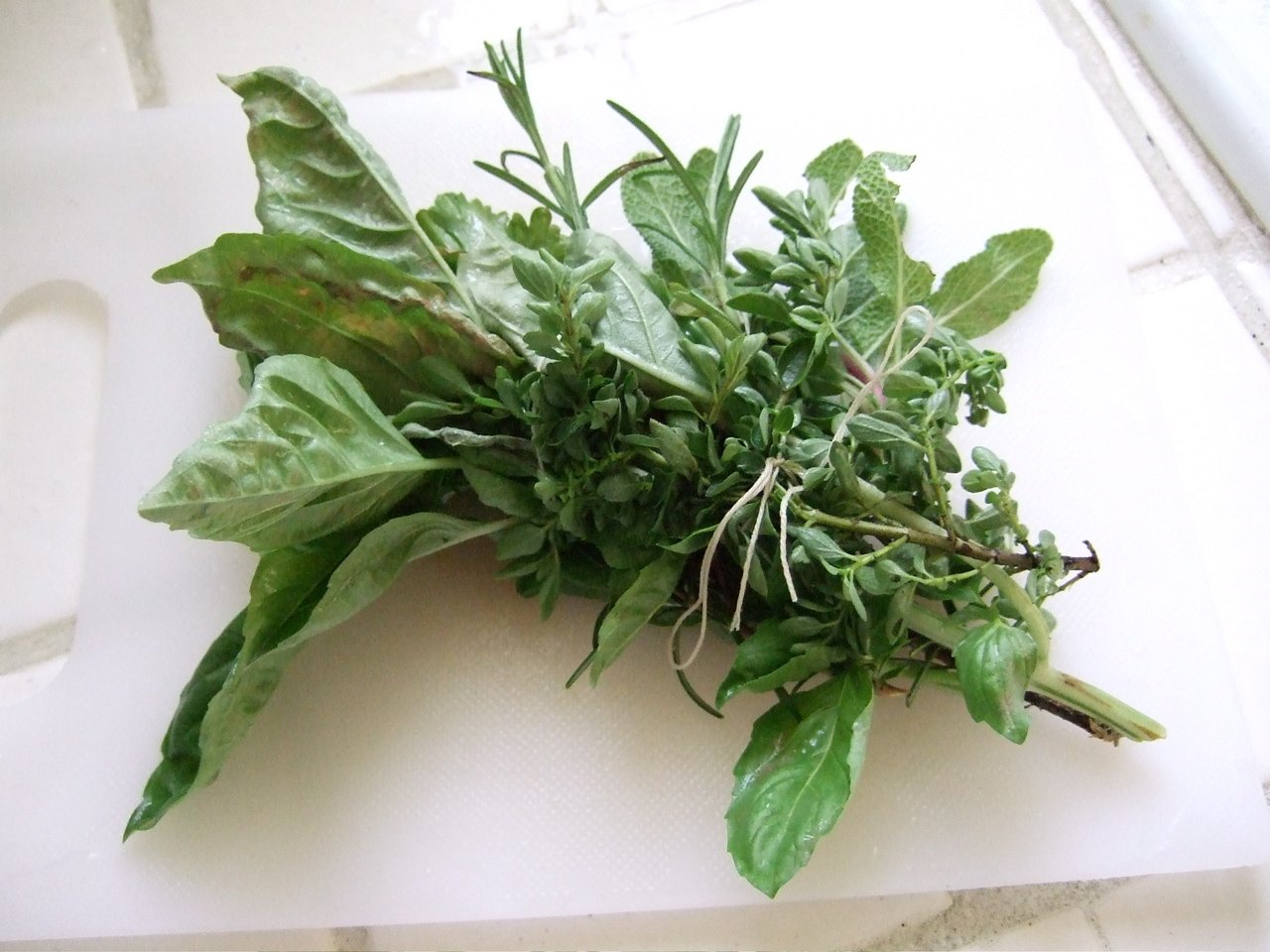
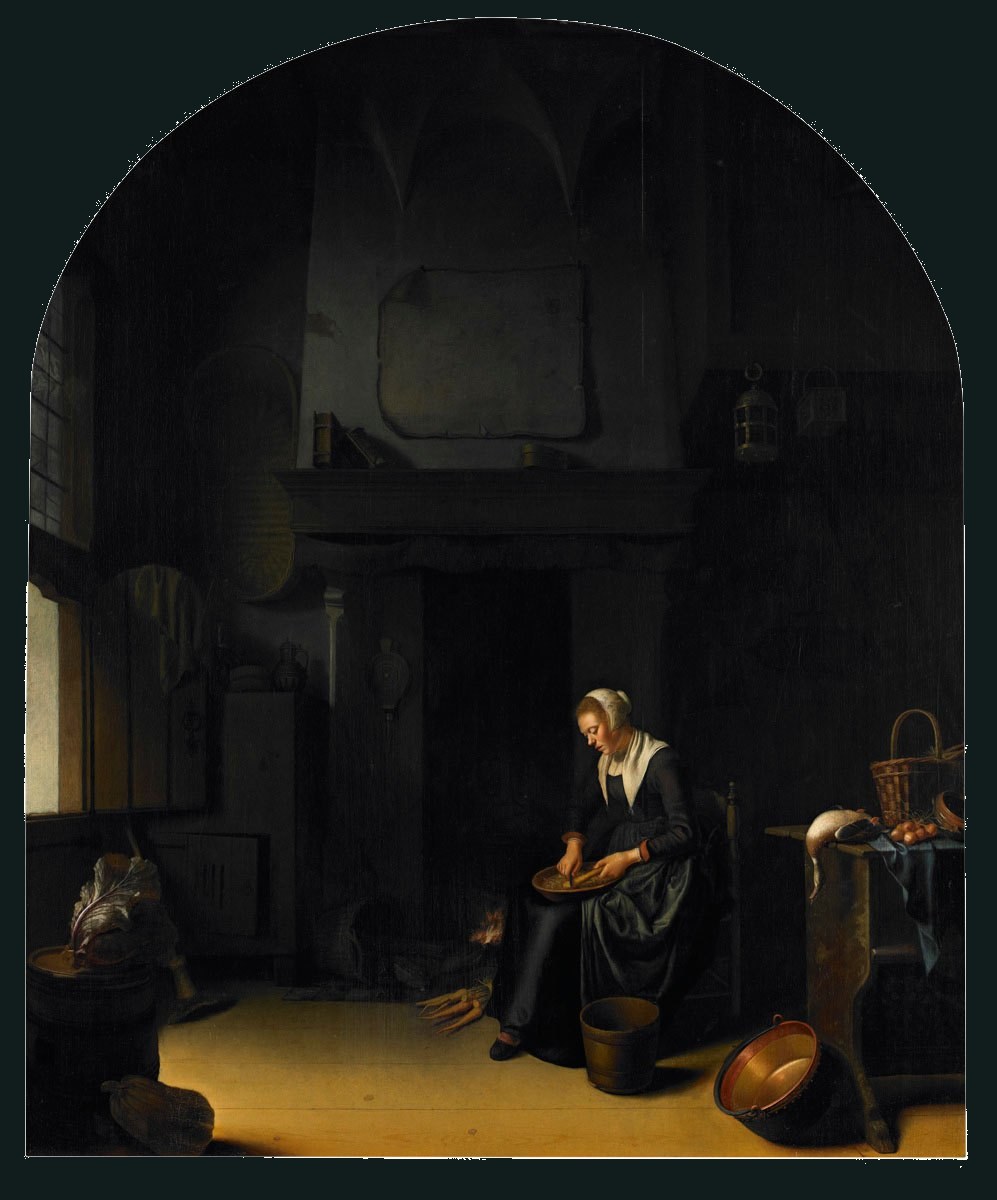
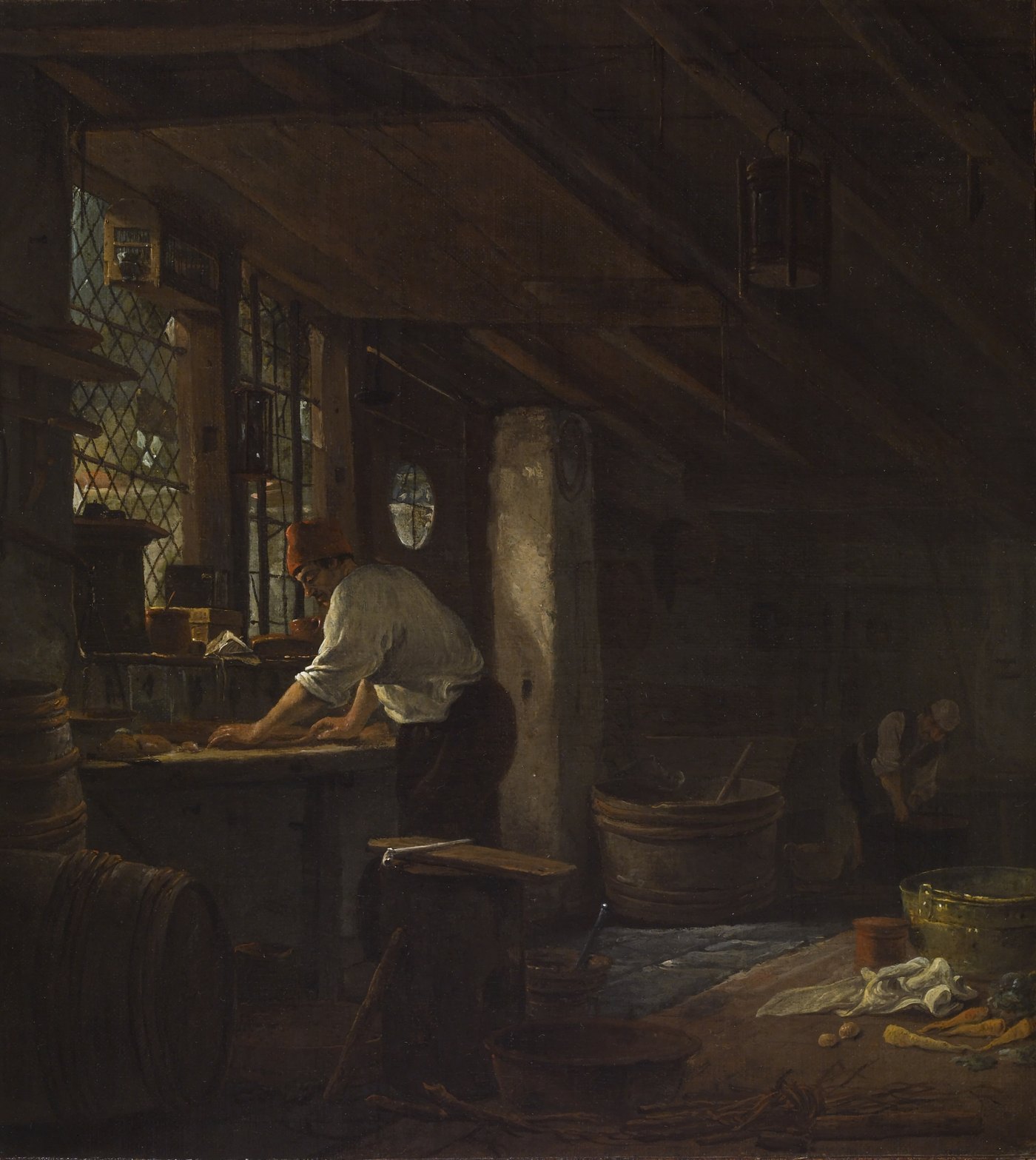
Kitchen witchcraft, sometimes called kitchen witchery or cottage witchcraft, is a contemporary way of practising witchcraft in the most ordinary room of the house. Practitioners describe it as cooking, cleaning, preserving and sharing food with attention and intention: the stove as a kind of altar, a wooden spoon as a wand, herbs from the grocer or the garden as the working kit. There is no single founder, church or exam. Most people who use the name are solitary or informal.
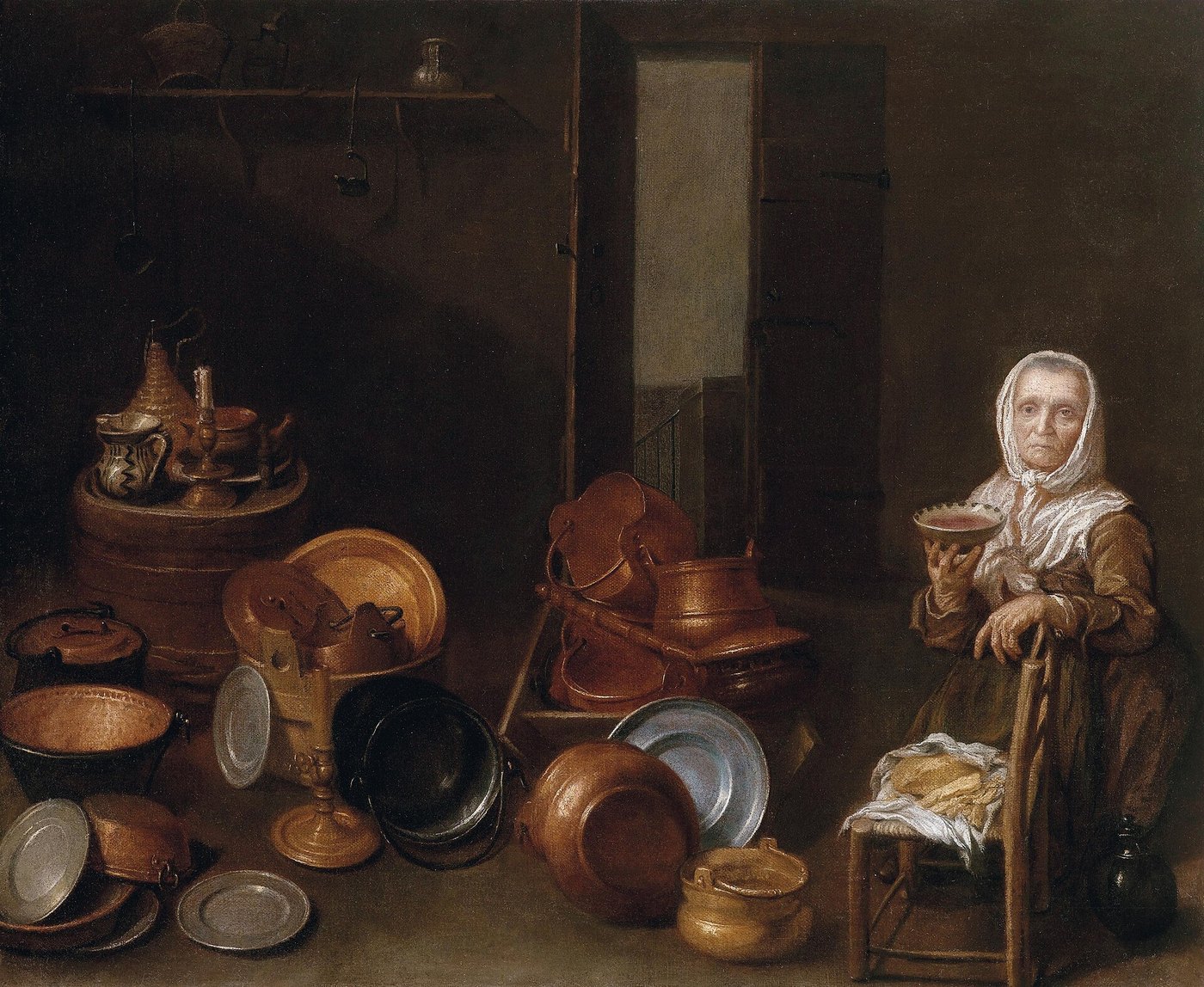
It is important not to invent an ancient formal “kitchen witch religion”. European households did have charms, hearth customs and herbal remedies; cunning folk and neighbours used everyday objects in unofficial magic. That is real folk history. The modern path that calls itself kitchen witchcraft draws on that atmosphere and on contemporary pagan and witchcraft practice. It is better described as a living style of practice than as an unbroken medieval order.
A related folk object is the kitchen witch doll: a small witch figure hung in a kitchen as a good-luck or protective charm. Writers often point to Scandinavian or German household tradition, but the exact origin is not firmly established. See the short overview on Wikipedia’s “Kitchen witch” page, and treat popular origin stories with caution.
What practitioners usually do
Accounts of the path, in books and in practitioner writing, tend to include some or all of the following. These are descriptions, not commands, and not evidence that the acts change events beyond the cook’s own attention and habit:
- Cooking with intention. Choosing a simple aim before you cook (care for a household, hospitality, calm, gratitude), then stirring, seasoning and serving as a deliberate act rather than a rush.
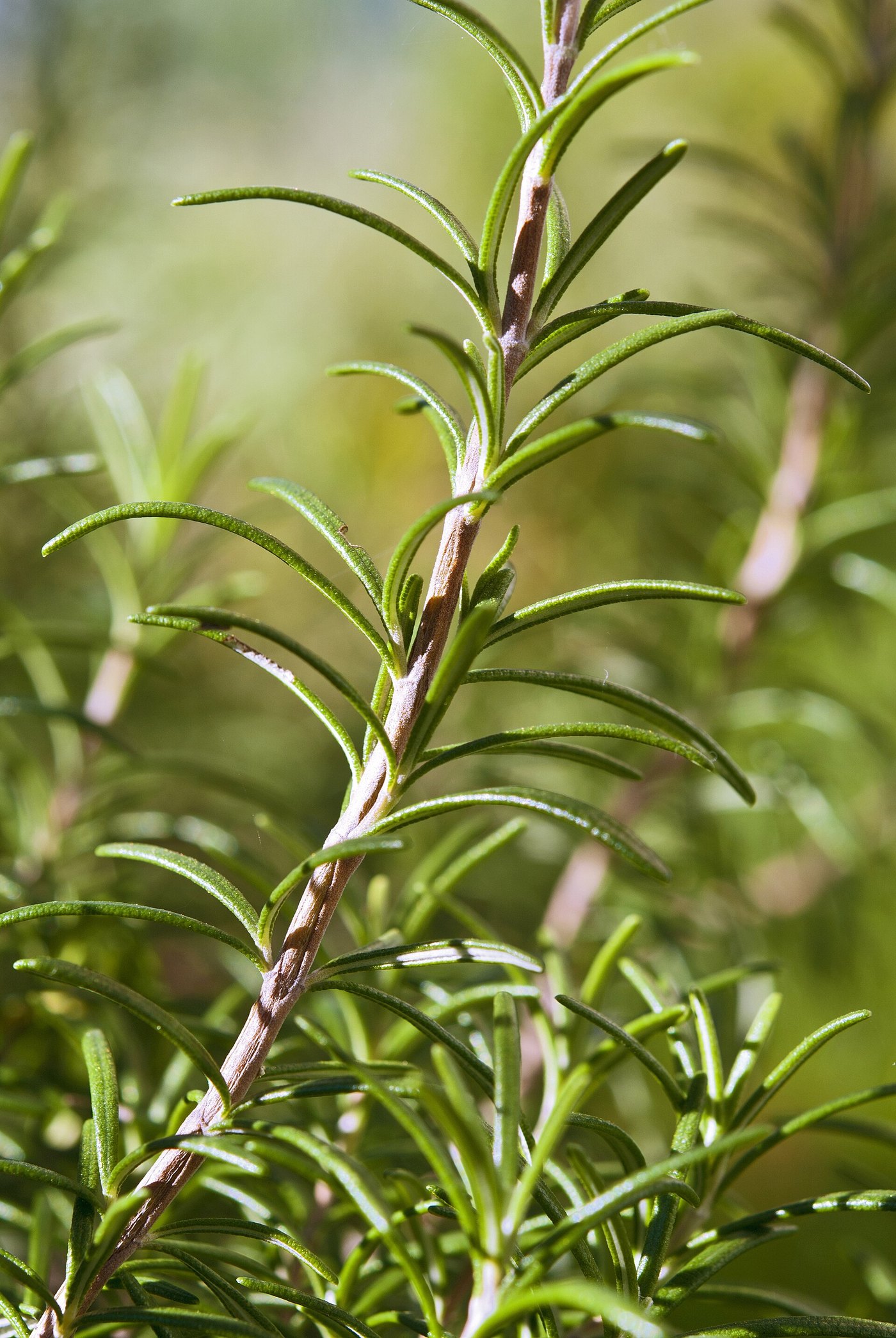
- Culinary herbs and spices. Rosemary, basil, thyme, sage, mint, cinnamon, lemon, garlic, salt and similar kitchen ingredients, used as food in ordinary amounts. Folklore gives many of them traditional associations; those associations are not the same as medical effects.
- A small kitchen altar. Often just a clear corner of a counter: salt, a cup, a wooden spoon, a plant, perhaps a candle if it can be used safely. Nothing expensive is required.
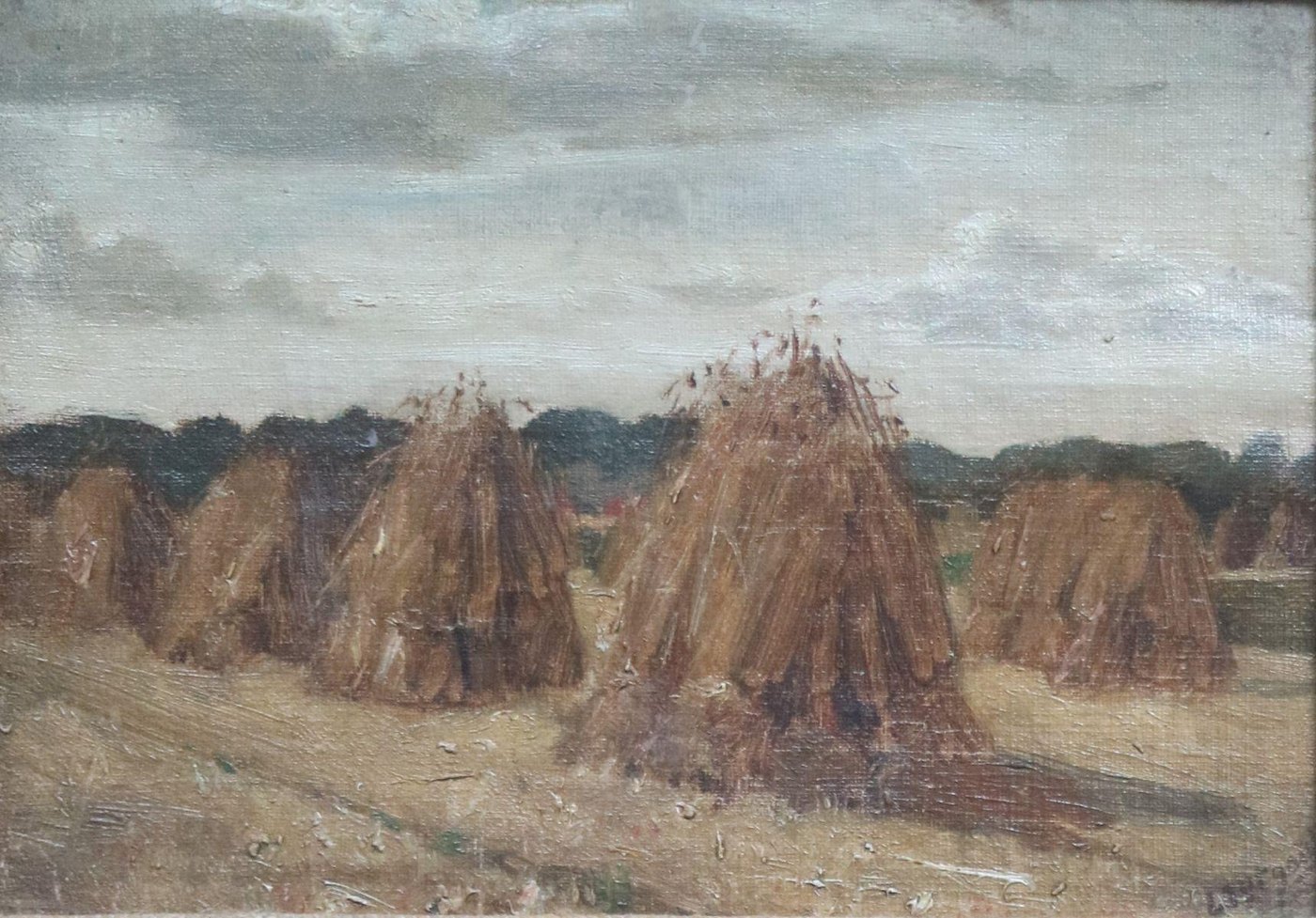
- Seasonal and sabbat cooking. Many kitchen witches like to cook with the year: harvest loaves, midwinter spices, spring greens. In modern Wicca and related pagan witchcraft the year is often marked by eight festivals called the Wheel of the Year. That calendar was formalised in mid-twentieth-century Wicca from a mix of names and customs; it is a modern ritual year, not a single ancient timetable recovered intact (see Hutton’s historical work, including The Triumph of the Moon). You can cook seasonally without adopting that calendar.
- Care of the room. Cleaning, reducing waste, and treating food as something not to be thrown away lightly. Some practitioners describe this as honouring the hearth; it is also ordinary good housekeeping.
You do not need a cauldron, a coven, a Latin name, or a paid course to begin. If someone tells you otherwise, treat that as sales talk until you have read the safety and ethics sections below.
Related ways of working
Green witchcraft
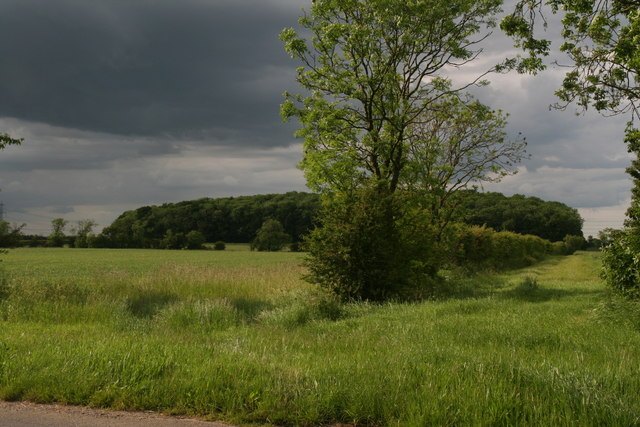
Green witchcraft is a loose modern name for practice centred on plants, weather, seasons and the living land. It overlaps with kitchen witchcraft whenever the work happens with food plants, and it overlaps with herbalism whenever people study plants carefully. It is not a licence to pick whatever grows by the path. Foraging without permission, uprooting scarce plants, or swallowing a wild plant you cannot identify are bad practice and can be dangerous (see Safety).
Hedge witchcraft
Hedge witch is another modern name, popularised for a wide readership by Rae Beth’s Hedge Witch: A Guide to Solitary Witchcraft (1990). The “hedge” is the boundary — in the landscape, and in folklore, between the everyday world and a spirit or otherworld. Some practitioners use the older-sounding phrase “hedge riding” for visionary or meditative work that tries to cross that boundary. The name is contemporary even when the imagery is rural and folkloric. It does not, by itself, make someone a historical cunning person, and it should not be used to claim Indigenous or other closed shamanic titles that are not yours.
Herbal lore
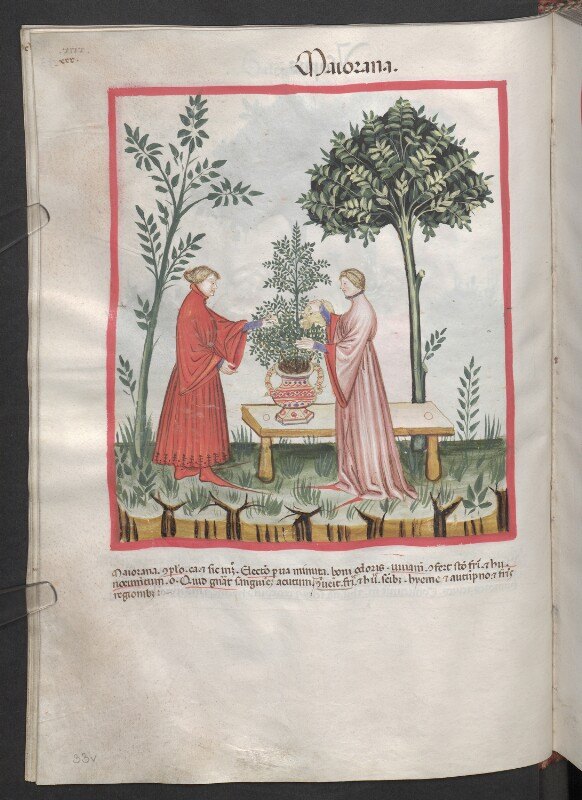
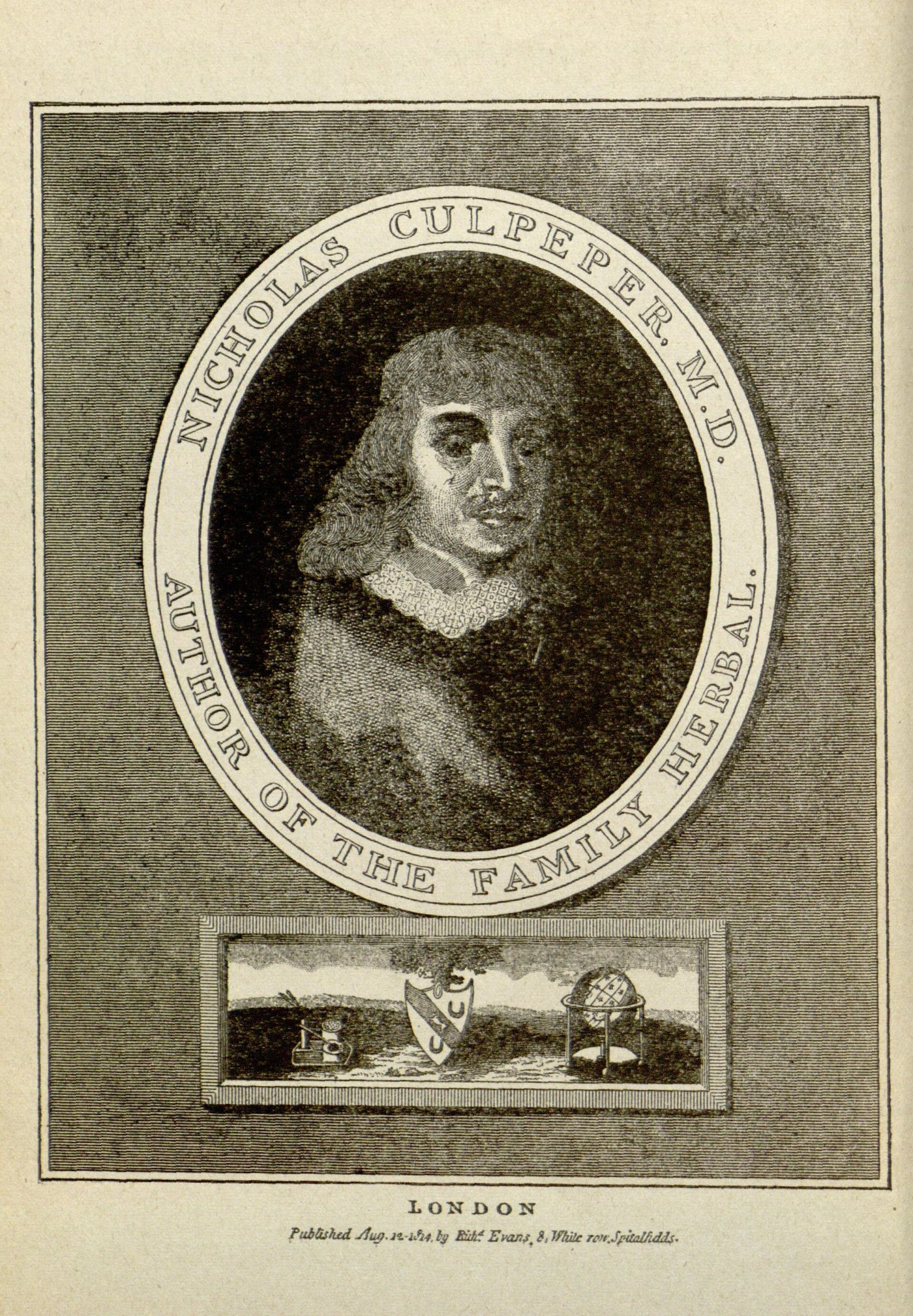
People have written about plants as food, medicine and charm for centuries. A late-medieval example is the Tacuinum Sanitatis, illustrated health handbooks based on an Arabic text, with pictures of garden plants in daily use. In English, Nicholas Culpeper’s mid-seventeenth-century herbal later became a household name. These books are historical sources. They are not modern clinical guides. A plant that appears in an old herbal may be food, or medicine, or poison, or all three depending on the dose. Culinary use in food amounts is not the same as making a concentrated tea, salve or incense from a plant you have not identified and checked.
Moon rites
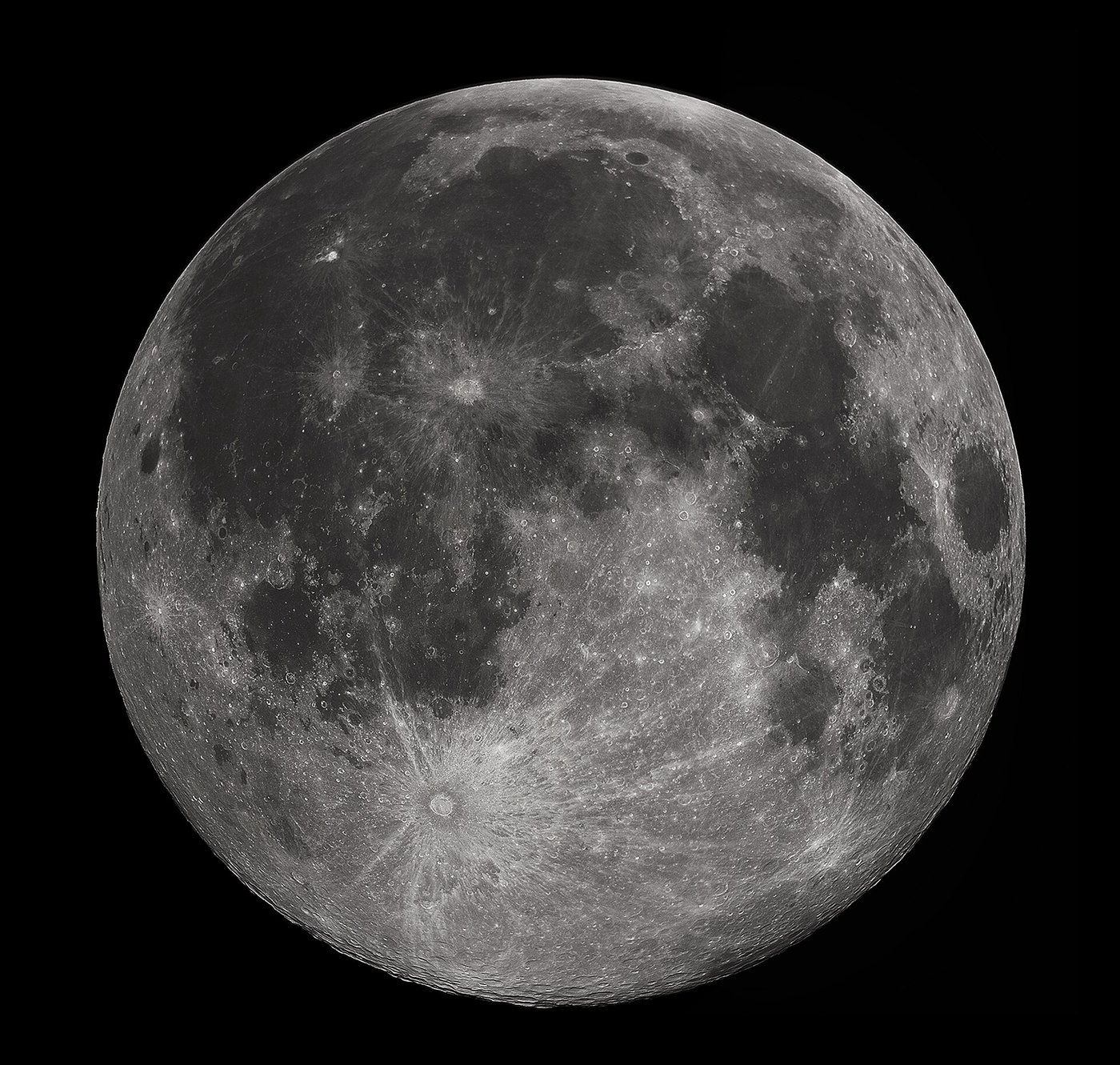
In Wicca, gatherings held at the full moon (and sometimes other lunar points) are often called esbats, as distinct from the seasonal sabbats. Plenty of non-Wiccan witches also like to cook, journal or make a quiet observance at the new or full moon. There is no requirement to do this, and no need to buy moon-charged products. If you use a candle at night, the safety rules in the next sections still apply. The moon’s phases are real astronomy; any claim about a rite changing the weather, a body, or another person’s will is a belief, not a demonstrated fact.
Intention setting
Almost every modern witchcraft path, kitchen practice included, starts with an intention: a short, specific statement of what you are aiming at. Practitioners often treat the wording as part of the work — present tense, realistic, and not a command aimed at someone who has not consented.
Psychology has a more modest, well-studied cousin of this idea. Peter Gollwitzer and colleagues have shown that implementation intentions — simple if-then plans such as “If it is 7 p.m., then I will prepare tomorrow’s lunch” — help people follow through on goals. A 2006 meta-analysis is summarised by Gollwitzer and Sheeran. That research does not prove or disprove magic. It does suggest why writing a clear, kind, doable intention, then doing one small physical act (cooking, washing a cup, lighting and later extinguishing a candle), may help you notice and keep a promise to yourself. If a book or post encourages you to “manifest” health, money or a specific lover without action and without consent, that is a different claim, and a shakier one.
A simple beginner practice: a hearth cup
This is a Level 1 exercise. It uses only things many kitchens already have. It is a practice of attention and intention, not a medical treatment and not a spell aimed at anyone else. Skip any step that is unsafe for you (for example, leave out the candle if you cannot watch a flame, and leave out the drink if you should not have that herb).
- Clear a small space on a table or a clean stretch of counter. Wash a cup and, if you wish, set out a pinch of salt and a wooden spoon. That is enough of an altar.
- Prepare a cup. Plain water is enough. Or make a mild tea from a culinary herb you already use, in a normal food amount. Sit down to drink it; do not leave a kettle unattended.
- Optional candle. If you use fire, put one stable candle on a heatproof saucer, well away from sleeves, hair, curtains, papers and shelves. Keep water or a lid nearby. Never leave it. If you cannot do that, skip the flame. A closed jar of salt or a lamp you already use safely is fine.
- Write a short intention in a notebook: kind, specific, and about your own conduct, in words you could act on this week. Example: “I will cook one careful meal for myself on Thursday.” Not: “Make this person love me,” and not: “Cure this illness.”
- Sit quietly for a few minutes. If you made a drink, take it slowly. If you have a sentence of thanks for the food or the water, say it. Then wash up. Extinguish the candle fully if you used one.
- Write the date and the intention in the notebook. Over the next week, notice what you actually did. That record is the beginning of a practice log, the same idea used on other skill pages in this library.
If you want a slightly more psychological version of the same habit, add an if-then line under the intention: “If it is Thursday evening, then I will cook that meal.” That is the implementation-intention form studied by Gollwitzer and Sheeran, used here as a support for follow-through, not as a substitute for anyone’s ritual language.
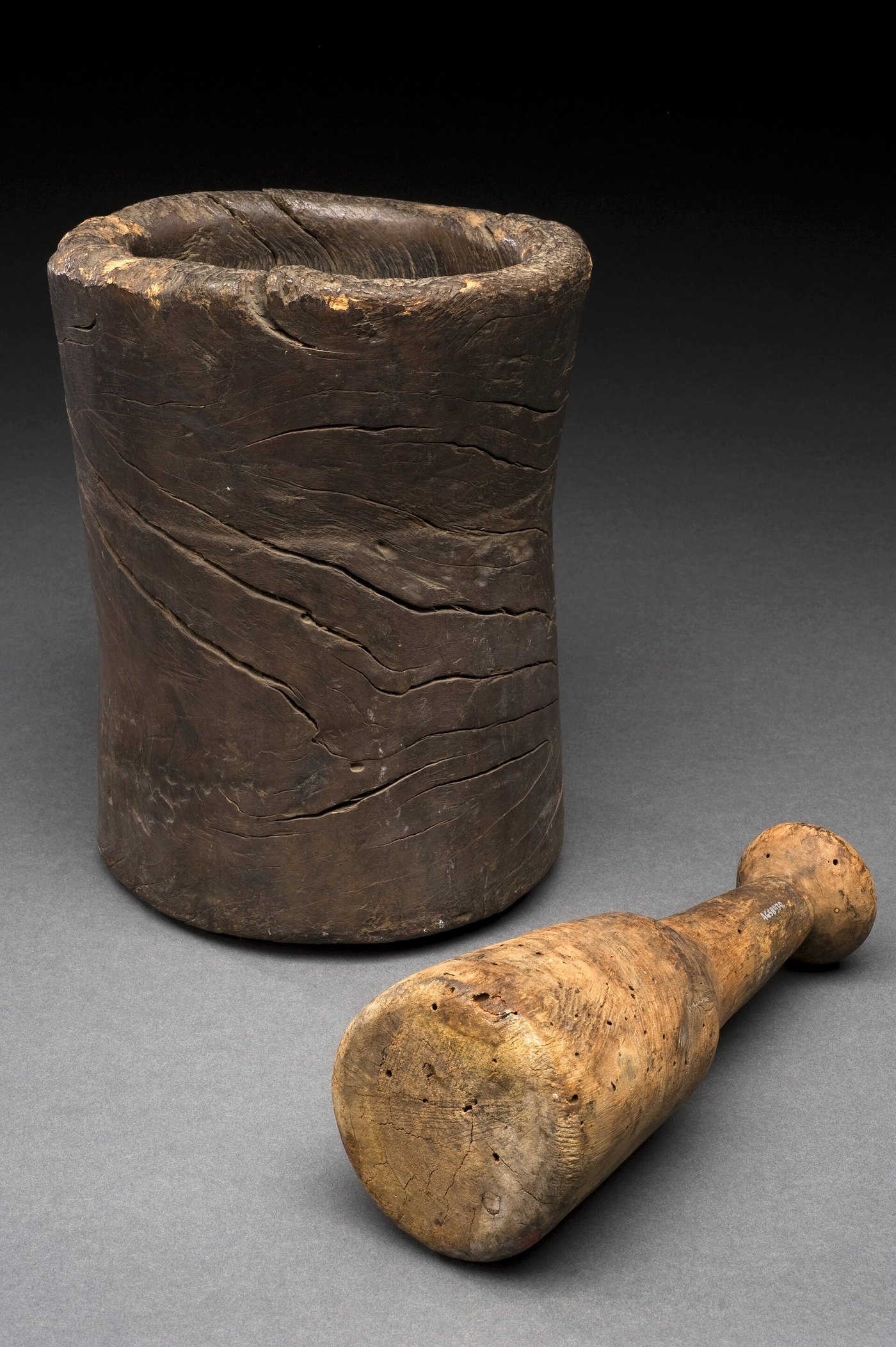
Safety

Toxic plants are not “advanced witchcraft”
Some plants that appear in folklore, “flying ointments,” or dramatic online lists are dangerous. The following are examples with medical sources, not a complete list of poisons:
- Foxglove (Digitalis purpurea) can cause serious heart-rhythm problems if swallowed. MedlinePlus: foxglove poisoning.
- Datura, oleander and related plants can cause severe anticholinergic or cardiac poisoning. A 2019 clinical update on oleander and datura poisoning.
- Belladonna, aconite (monkshood) and other alkaloid-rich plants have a long record of poisoning. See this StatPearls review of plant-alkaloid toxicity.
- Pennyroyal oil has caused acute liver injury, and is especially dangerous in pregnancy. It should not be taken internally. LiverTox / NCBI: pennyroyal oil.
Do not gather, rub on the skin, burn in a closed room, or drink any plant you cannot identify with certainty. Do not copy a “traditional flying ointment” or hexing recipe from the internet. Historical ointments associated with tropane-containing plants are a topic for historians, not for a kitchen experiment.
Essential oils are not food
Essential oils are concentrated. Some are unsafe to swallow; NCCIH notes, for example, that tea tree oil should not be taken by mouth and can cause serious symptoms if it is. Do not add essential oils to tea, to a baby’s skin, or to a pet’s fur. If you are pregnant or breastfeeding, or making food for a child, do not improvise with oils. Food herbs in food amounts are a different thing from a bottle of oil.
Allergies, other people’s plates, and fire
A herb that is food for you may be a problem for someone else. Never slip an herb, a powder or a “potion” into another person’s food or drink without their knowledge. Ask about allergies before you cook for others. If you have plant or food allergies, keep your practice inside what you already know is safe.
Candles, charcoal, incense and gas flames start fires. Use a stable holder, keep the area clear, never leave the room, and fully extinguish what you light. Do not use open flame near curtains, shelves, alcohol, or while sleepy. If fire is a risk where you live, practise without it.
Ethics
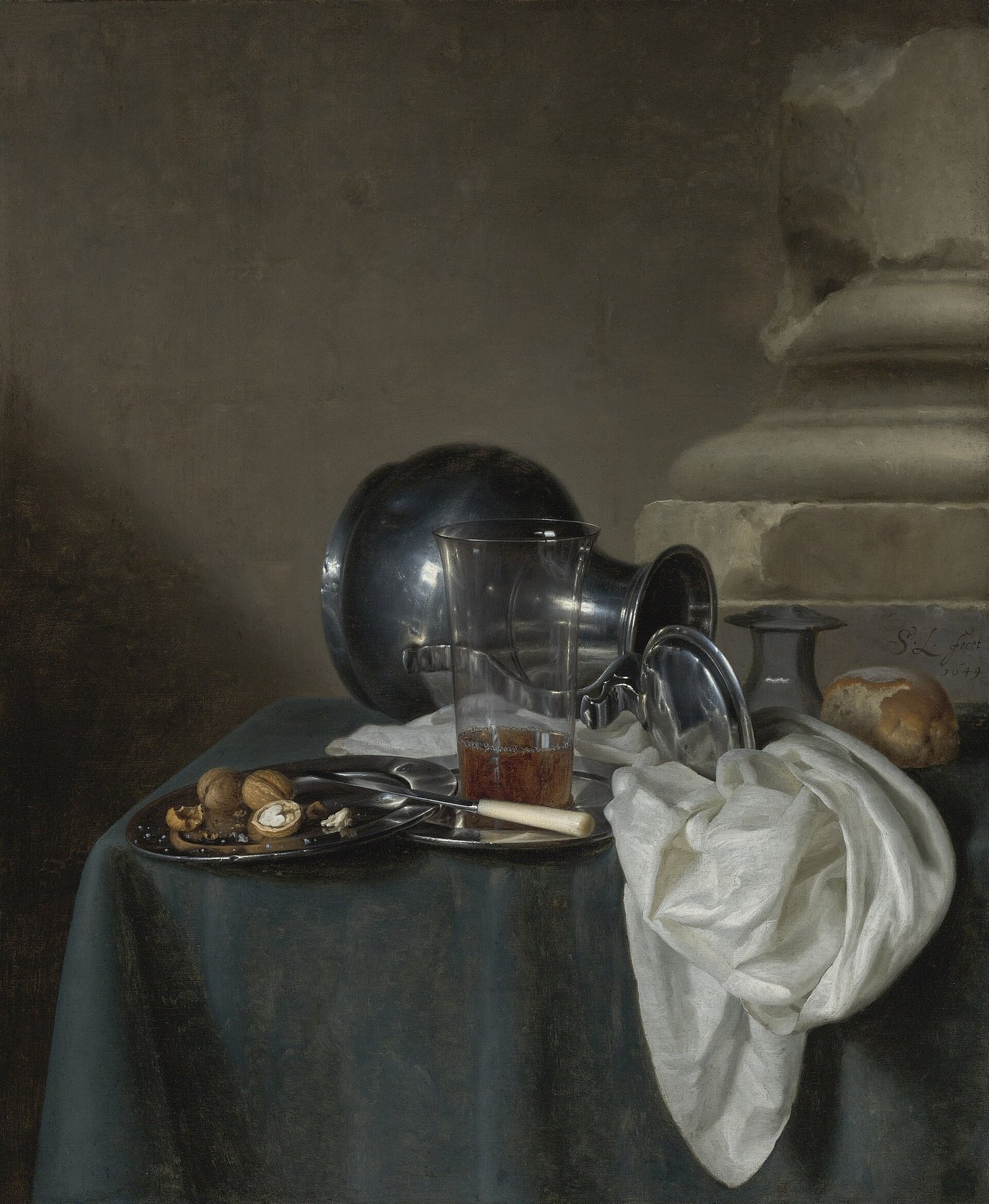
Many Wiccans use a short ethical statement often worded “An it harm none, do what ye will” (the Wiccan Rede), and some also speak of a “threefold” return of what you send out. Those are Wiccan (and Wiccan-influenced) statements. They are not a law for every witch, and they are not a legal code. Plenty of witches who are not Wiccan still take harm, consent and honesty seriously. The points below are practical ethics for a beginner on this page, not a claim to speak for all traditions.
- Consent. Do not aim a working at a named person’s will, body or love life. “Make X fall in love with me” is a wish to override someone else. Keep Level 1 intentions about your own conduct.
- Honesty about results. Do not promise cures, court outcomes, or guaranteed money in exchange for a spell, a tea or a fee. Do not take money from people in grief or fear for something you cannot demonstrate.
- No medical or legal theatre. A rite can sit beside ordinary care (a meal after a hospital visit, a quiet cup before a difficult conversation). It should not replace a doctor, a pharmacist, or a qualified adviser.
- Closed and other people’s traditions. Do not lift ritual from a living Indigenous, African, Afro-diasporic or other community that has said it is closed or that asks for proper initiation and relationship, and then relabel it as kitchen witchcraft. If you do not know whether a practice is yours to use, leave it alone and learn from that tradition’s own teachers.
- The land and the shop. Forage only where you have permission, leave enough for the plant and for others, and do not treat supermarket herbs as lesser just because they are ordinary. Credit sources when you teach.
- The word itself. Remember that “witch” is still used as a deadly accusation in some places, as the UN study documents. Using it as a chosen name at home is not the same as accusing someone else of causing harm by secret magic.
Witch-hunting in the Southern Netherlands, and practice today
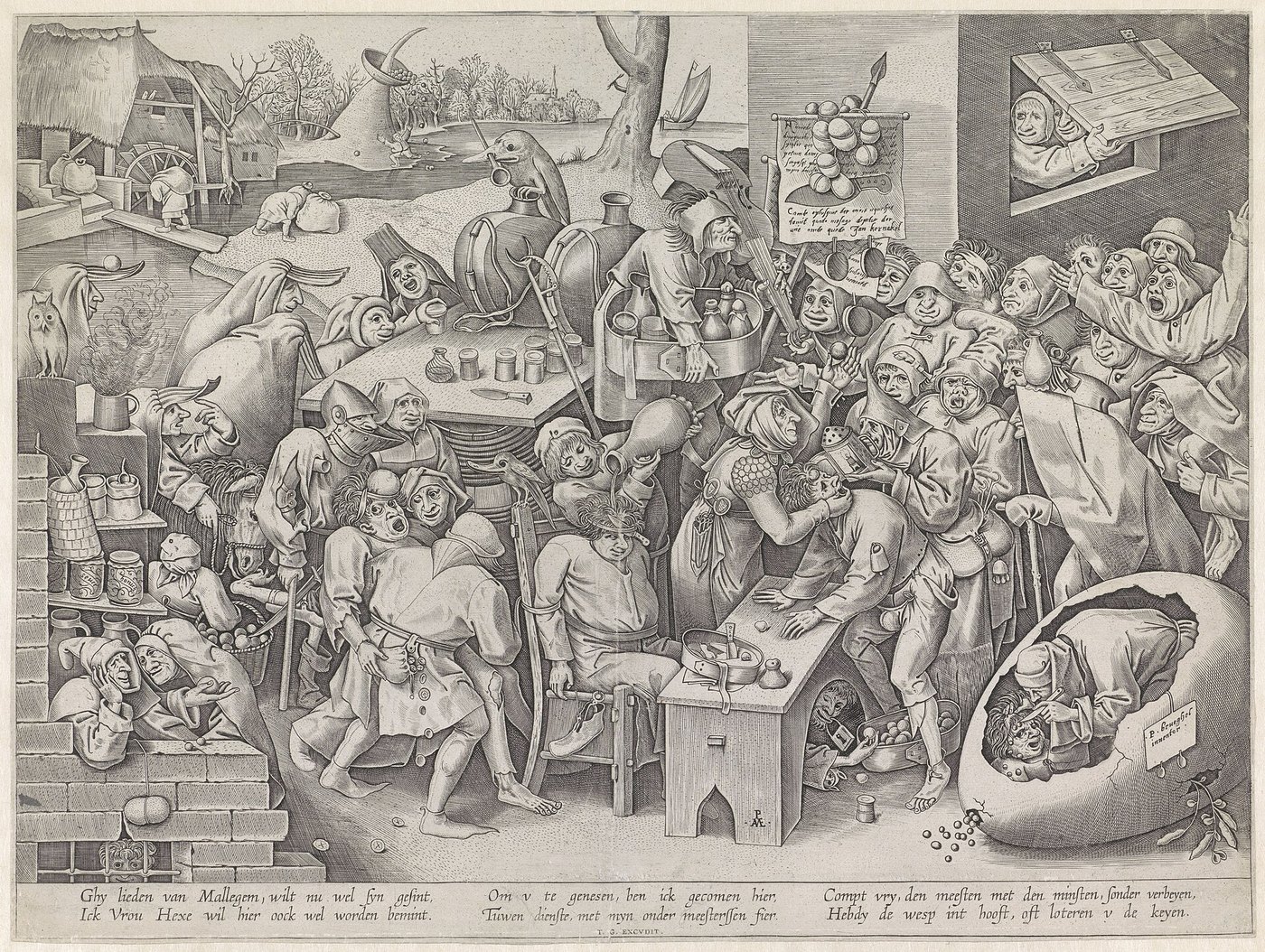
The region that is now Belgium was not on the edge of the European hunts. The Brussels Times (31 October 2024), reporting work by KU Leuven historian Dries Vanysacker, writes that witch-hunting in the Southern Netherlands has been described as among the bloodiest in Europe, and that at least 1,150 to 1,250 people were executed for witchcraft there between 1450 and 1685. The same article notes a 1592 law under Philip II, the influence of the Flemish Jesuit Martín Delrio’s Disquisitiones Magicae (1599), grim local cases in Ghent, Lier, Spa and Brussels, and later acts of remembrance: a municipal apology in Lier in 2021 for the 1590 execution of Cathelyne Van den Bulcke, and a 2023 plaque in Ghent near the Donkere Poort. Vanysacker’s academic overview is listed in KU Leuven’s Lirias. For Flanders, Prof. Jos Monballyu published a documented name-by-name list of people burned for witchcraft, with archival references, at KU Leuven Kulak.
Those are records of accusation and execution, not a genealogy of today’s pagan or kitchen witches. Modern people in Belgium who practise witchcraft or Wicca do so as a personal or group spiritual path, in a country where freedom of religion and of expression are protected in principle. This page is not legal advice, and it does not list or endorse a class, coven or Meetup. THE Golden Library is not adding a Meetup button here, because this skill does not have a class of its own on this site. If you already use the library’s forum, you can say what you are studying; a dedicated board can be added later if it is wanted.
FAQ
Books, sources and credits
Start with history if you can, then read practitioner books as practitioner books. Dates below are first-publication dates unless noted. Links go to a publisher, library, official or stable public page where one was checked on 25 November 2026.
History and context
- Ronald Hutton, The Triumph of the Moon: A History of Modern Pagan Witchcraft (Oxford University Press; first edition 1999, later editions including 2019/2021). The standard history of modern pagan witchcraft.
- Ronald Hutton, “Modern Pagan Witchcraft,” Gresham College lecture, 14 May 2025 — a clear public summary of origins, Gardner, and what historians no longer claim.
- Brian P. Levack, The Witch-Hunt in Early Modern Europe, 3rd edition, 2006 — widely cited estimates of prosecutions and executions.
- Owen Davies, Popular Magic: Cunning-folk in English History, 2003 — unofficial folk magical specialists, distinct from the diabolic witch of the trials.
- Ethan Doyle White, Wicca, 2015 (cited in Hutton’s 2025 lecture) — a concise scholarly introduction to Wicca.
- Diane Purkiss, “Witchcraft: Eight Myths and Misconceptions,” English Heritage.
- UK Parliament, living heritage: Witchcraft — English statutes, numbers and the 1951 repeal.
- Salem Witch Trials Documentary Archive, University of Virginia; NEH overview; Massachusetts Archives, the executions.
- Ellen O’Regan, “Belgium’s bloody witch-hunting history,” The Brussels Times, 31 October 2024; Dries Vanysacker, Lirias; Jos Monballyu, list of people burned in Flanders.
- OHCHR, A/HRC/52/47 (2023) — human-rights abuses linked to witchcraft accusations and ritual attacks.
Primary and practitioner texts (read historically)
- Gerald Brosseau Gardner, Witchcraft Today, 1954 — a founding public book of Wicca, not an independent history of the trials. (Wikipedia entry with publication details)
- Doreen Valiente, Witchcraft for Tomorrow, 1978, and The Rebirth of Witchcraft, 1989 — influential Wiccan writing by a close early collaborator of Gardner.
- Scott Cunningham, Wicca: A Guide for the Solitary Practitioner, 1988 — a widely used beginner book for solitary Wicca; it is a practitioner manual, not a history of kitchen witchcraft.
- Rae Beth, Hedge Witch: A Guide to Solitary Witchcraft, 1990 — the book that did most to popularise the modern English term “hedge witch.”
Safety and psychology
- MedlinePlus, foxglove poisoning; NCBI LiverTox, pennyroyal oil; oleander and datura review; plant-alkaloid toxicity; NCCIH, tea tree oil safety.
- Gollwitzer and Sheeran, 2006, implementation intentions meta-analysis.
- UK Parliament: Witchcraft
- English Heritage: eight witchcraft myths
- Hutton, Modern Pagan Witchcraft (Gresham, 14 May 2025)
- Hutton, The Triumph of the Moon (Oxford)
- Salem archive (University of Virginia)
- NEH: records of the Salem trials
- Massachusetts Archives: the executions
- The Brussels Times, 31 Oct 2024
- Vanysacker, Lirias (KU Leuven)
- Monballyu, witches burned in Flanders
- OHCHR, A/HRC/52/47
- UN Digital Library, A/HRC/52/47
- Legislation.gov.uk: Fraudulent Mediums Act 1951
- MedlinePlus: foxglove
- NCBI LiverTox: pennyroyal oil
- PMC: oleander and datura
- StatPearls: plant alkaloids
- NCCIH: tea tree oil
- Gollwitzer and Sheeran 2006
- Jenny Gibbons (archived essay)
- Wikipedia: Kitchen witch
- Wikipedia: Wicca
- Wikipedia: early modern witch trials
- THE Golden Library: Tarot
- THE Golden Library: Sigil magic
Sources checked 25 November 2026 for a new skill-page preview on THE Golden Library. This page was not published as part of the preview. Image credits are in the captions: public domain, CC0, CC BY or CC BY-SA works from Wikimedia Commons, the Rijksmuseum, the Walters Art Museum, the Wellcome Collection, Biodiversity Heritage Library and Geograph, with the named authors and licences. No living practitioner was photographed. No Meetup, class or paid course is listed, because none was verified as a Golden Library offering for this skill. Not medical or legal advice.